
Do Donations Help Camps?
How recovery dollars reach camps and local businesses without breaking the rules.
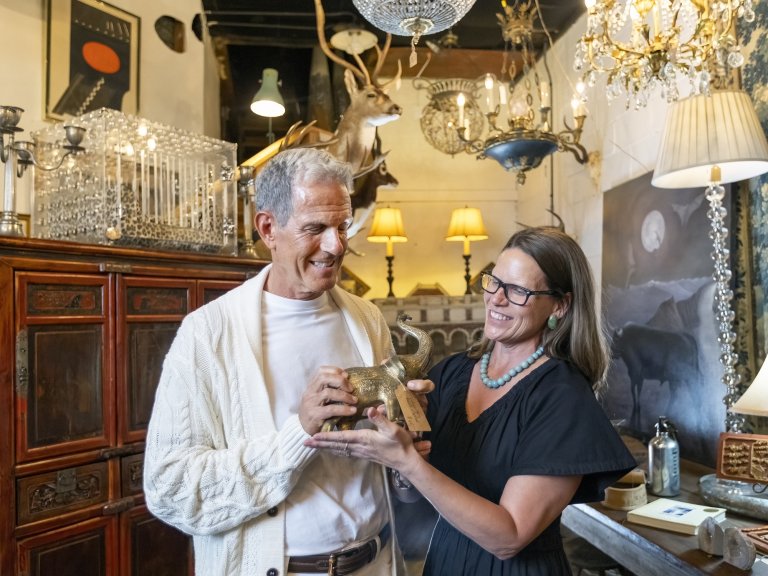
At the Mo-Ranch Christian Conference Center & Summer Camp in fall around a long table, youth camp directors traded updates — how many cabins were dry, which trails were still blocked, where to find bridge financing, and more. Local bankers listened, taking notes. Case managers sketched timelines on yellow pads. The mood was steady: nobody came for a handout. They came to figure out the work.
That picture tells the story of how donations to flood relief are helping local camping programs. Gifts don’t go straight to private, for-profit businesses. By law and by design, they flow to local 501(c)(3) partners who deliver services the whole community needs — housing repairs for families, business case management, river restoration, and other projects that help employers (including camps) get back on their feet.
The Short Version
Donations go to nonprofit partners who help households and the wider community. Local foundations do not cut checks to private, for-profit businesses — including for-profit camps. Some nonprofit camps may be eligible for support through partners in the long-term recovery group if the project clearly serves the community. For-profit camps will take a different recovery path where they receive coordinated services, referrals, and financing help.
So why do fundraising pages mention “families, individuals, & businesses?”
Recovery is a system, not a one-off grant. Dollars stewarded by foundations move to 501(c)(3) partners with clear guardrails. Those partners fund community benefit work: primary home repairs, disaster case management, river projects, and small business recovery services. In that model, businesses — including camps — receive help through services and programs, not direct charitable grants to for-profit entities.
What’s happening now for camps and local businesses?
- The Business Recovery Working Group (BRWG) is meeting regularly with local banks and camp leaders to coordinate business case management — helping with paperwork, referrals, timelines, and financing options. That roundtable at Mo-Ranch brought youth camps together to compare needs and schedules.
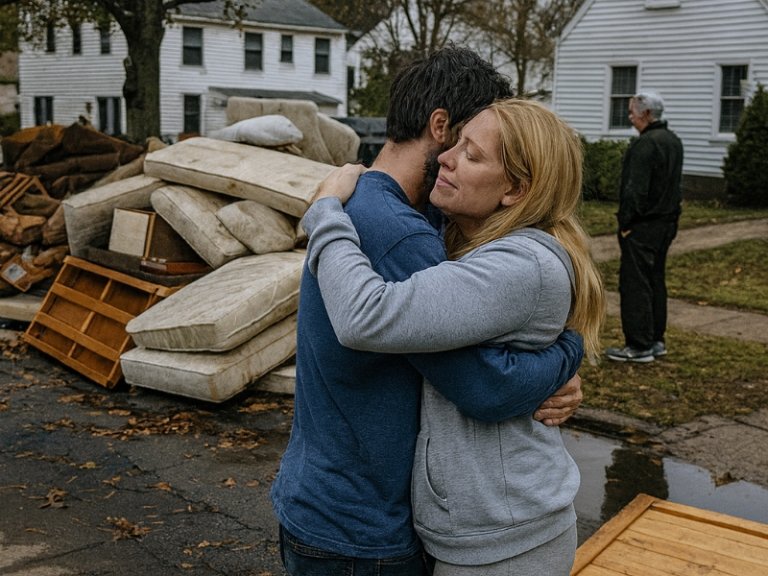
- Community Foundation dollars move through local 501(c)(3) partners to repair and rebuild primary homes, including homes of our local business owners and camp staff.
- River and safety work continues. Parallel efforts on river restoration and a Guadalupe flood warning system keep moving so camps and riverfront businesses can reopen with better protection.
So, if a camp is a nonprofit, it may access support through nonprofit partners for eligible, community benefit projects. If a camp is for-profit, it won’t receive a direct charitable grant, but it can still get coordinated help through case management and financing channels.
How the Dollars Flow
Donations → Community Foundation → 501(c)(3) partners (with audits, guardrails, public reporting) → Services and projects that benefit households and the broader community — including business recovery services.
This model is legally compliant, transparent, and fast once partners are engaged.
Yes — donations to flood recovery is helping camps, indirectly and appropriately. Donations fund the nonprofit backbone: case managers, repair crews for employees’ homes, river safety improvements, and the recovery services that keep local employers (including camps) on their feet. That’s how we restore livelihoods without bending charitable law or slowing progress with one-off exceptions.
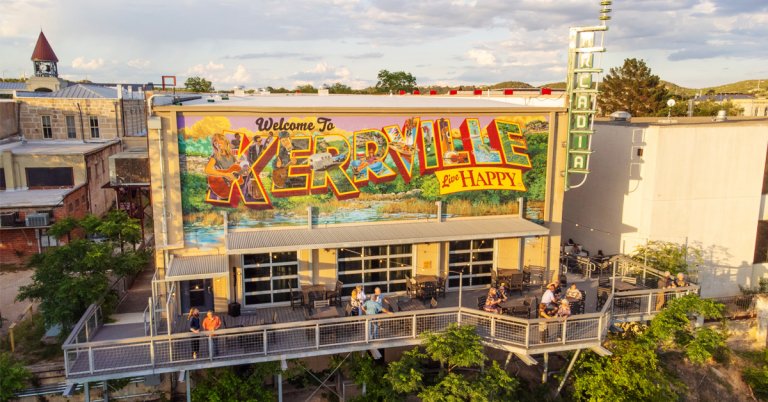
Of course, there is also the practical path for businesses and for-profit camps. They can apply for Small Business Administration (SBA) disaster loans. The Business Recovery Center for Kerr County is currently operating out of the First Presbyterian Church. But hurry! The deadline to apply is November 27, 2025.
Local businesses can get matched with a banker or advisor to map cash flow, bridge financing, and support insurance and SBA steps. Using the case management process, for-profit camps may receive services, technical assistance, and financing support — even though they aren’t eligible for direct charitable grants.